Commercial value in Lambton County often looks straightforward from the curb, yet it rarely is. Between industrial legacy sites, seasonal tourism nodes on Lake Huron, and small-town main streets that now serve both locals and commuters, the market produces a wide spectrum of performance. Appraisers working here face a practical question every time they step onto a site: what is the use that truly unlocks value, and can that use pay for itself in this location, in this market, with these constraints? That is where feasibility and highest and best use come together.
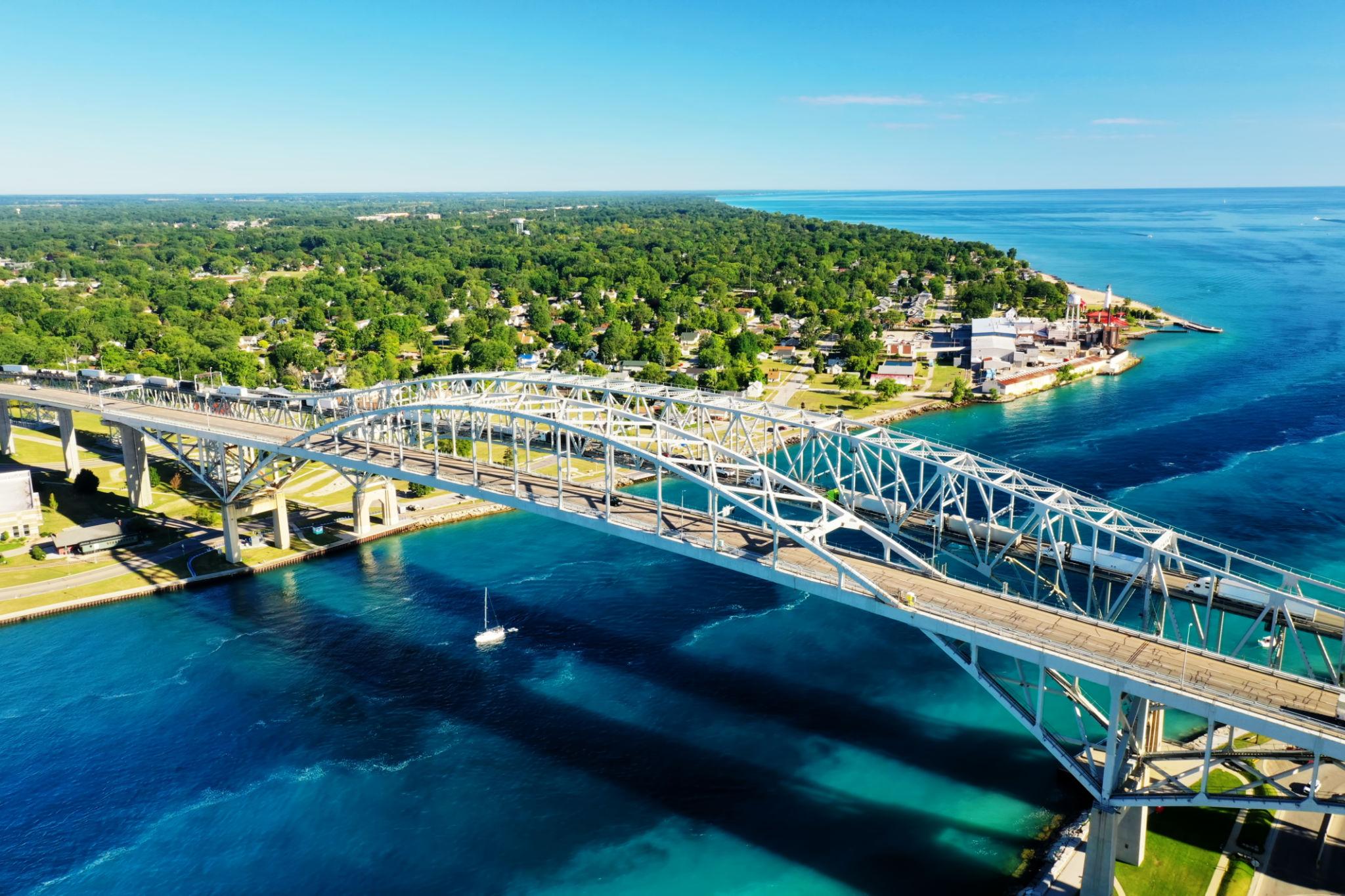
Lambton County has its own tempo. Sarnia’s petrochemical complex, the pull of Highway 402 and the Blue Water Bridge, redevelopment pressure in Point Edward and Grand Bend’s orbit, quieter steady trade in Forest, Petrolia, and Corunna, and rural pockets that flirt with commercial conversions near intersections and shorelines. Each submarket asks a different set of questions before a number can be credibly placed on the page. A commercial real estate appraisal in Lambton County that skips those questions risks giving clients a value out of context, which, in a market like this, can be as unhelpful as no value at all.
What highest and best use means when dirt, zoning, and debt all have a vote
Highest and best use sits at the core of any commercial property appraisal in Lambton County. The concept is universal, but local facts do the heavy lifting. An appraiser tests use ideas against four gates that must all open.
- Legally permissible. Zoning, official plan policies, conservation authority rules, site plan obligations, and any easements or covenants. In Lambton County that often includes local zoning bylaws and the St. Clair Region or Ausable Bayfield conservation authorities near watercourses or hazard lands. Physically possible. Lot size and shape, topography, access and frontage, utility servicing, soil bearing capacity, and environmental constraints. On brownfield or older industrial parcels near the river, geotechnical and contamination issues shape what is realistically buildable. Financially feasible. Can the proposed use support the cost to develop or adapt the site, with an acceptable return for equity and debt? A storage yard that rents fast in Corunna may be more bankable than a speculative office building south of Confederation Line. Maximally productive. If multiple uses pass the first three gates, which one generates the highest present value on a per-acre or per-square-foot basis without unacceptable risk? A single-tenant truck service center might beat a multi-tenant flex plan in net value if absorption is thin.
The four gates are not theory here, they are the scaffolding for practical calls. In central Sarnia for example, a former light manufacturing site might be legally eligible for multi-tenant commercial, self storage, or even a specialty contractor yard. Yet once environmental remediation estimates, turning radii for trucks, and the pace of lease-up are considered, the least glamorous option can win the value question.
Where feasibility earns its keep
Feasibility bridges planning permissions and market evidence. It answers whether a use that looks plausible on paper can be executed with the capital and time available in the local market. For property types that trade regularly, paired sales and stabilized income can be enough. But for transitional sites, dated buildings, or proposed developments, a feasibility analysis keeps the appraisal grounded in realistic cash flows and costs.
On the ground, a commercial appraiser in Lambton County tests feasibility with a narrow set of inputs and a sharp pencil. In soft submarkets even small errors compound. If a pro forma misses by 10 dollars per square foot in construction costs or by three months in lease-up, the residual land value can swing by six figures on a mid-sized site. In Sarnia’s urban fabric, where building stock from the 1960s to 1980s often requires significant retrofit, the gap between theoretical rent and achievable net effective rent after capital outlays becomes the pivot point.
Local dynamics that tilt the answer
Most readers do not need a macro lecture. What helps is a sense of local push and pull that actually shifts valuation outcomes.
Tourism corridors along Lake Huron. In Grand Bend’s influence area and Lambton Shores, seasonal peaks carry retailers and hospitality uses. Parking ratios, stormwater constraints, and seasonal staffing affect site plans and financing. A 3,000 square foot street retail unit on a high footfall block in July behaves nothing like the same unit in February, and lenders know it.
River corridor and industrial legacy. In Sarnia and into St. Clair Township, large-lot industrial and utility-adjacent lands still matter. Access to Highway 402, rail proximity where it exists, and heavy utility capacity can make older sites valuable to niche users. However, due diligence around environmental risk, floodplain interfaces, and demolition costs becomes a gating item for highest and best use.
Small-town main streets. Petrolia, Forest, and Watford form a different story, with mixed-use buildings that combine ground-floor commercial and apartments above. Zoning often supports intensification but parking supply, fire separations in older buildings, and realistic residential rents frame what is feasible. Renovation premiums absorb quickly if the building has dated systems or heritage elements that limit alterations.
Highway adjacency. Interchanges along Highway 402 and arterials such as London Line and Exmouth Street attract auto service, fast food, and small-format logistics. Drive-thru standards, stacking lanes, and truck access geometry decide whether a parcel is a quick-service candidate or better suited to a single-bay service building. Municipal access permits and traffic counts are decisive, not an afterthought.
Institutional and medical demand. Bluewater Health and satellite clinics create gravitational pull for medical office, labs, and allied health. Fit-out costs are higher than typical office, sometimes by 60 to 120 dollars per square foot for specialized rooms. Those numbers must be built into feasibility or the projected rent is an illusion.
How zoning and conservation rules set the stage
Legal permissibility in Lambton County is practical, not abstract. Municipal zoning bylaws specify use, height, coverage, setbacks, and parking ratios. Official plan policies give direction on intensification and corridor development. Conservation authorities manage development within regulated areas near watercourses and hazard lands. On shorelines or near creeks, development envelopes can shrink materially, which affects building footprints and therefore highest and best use.
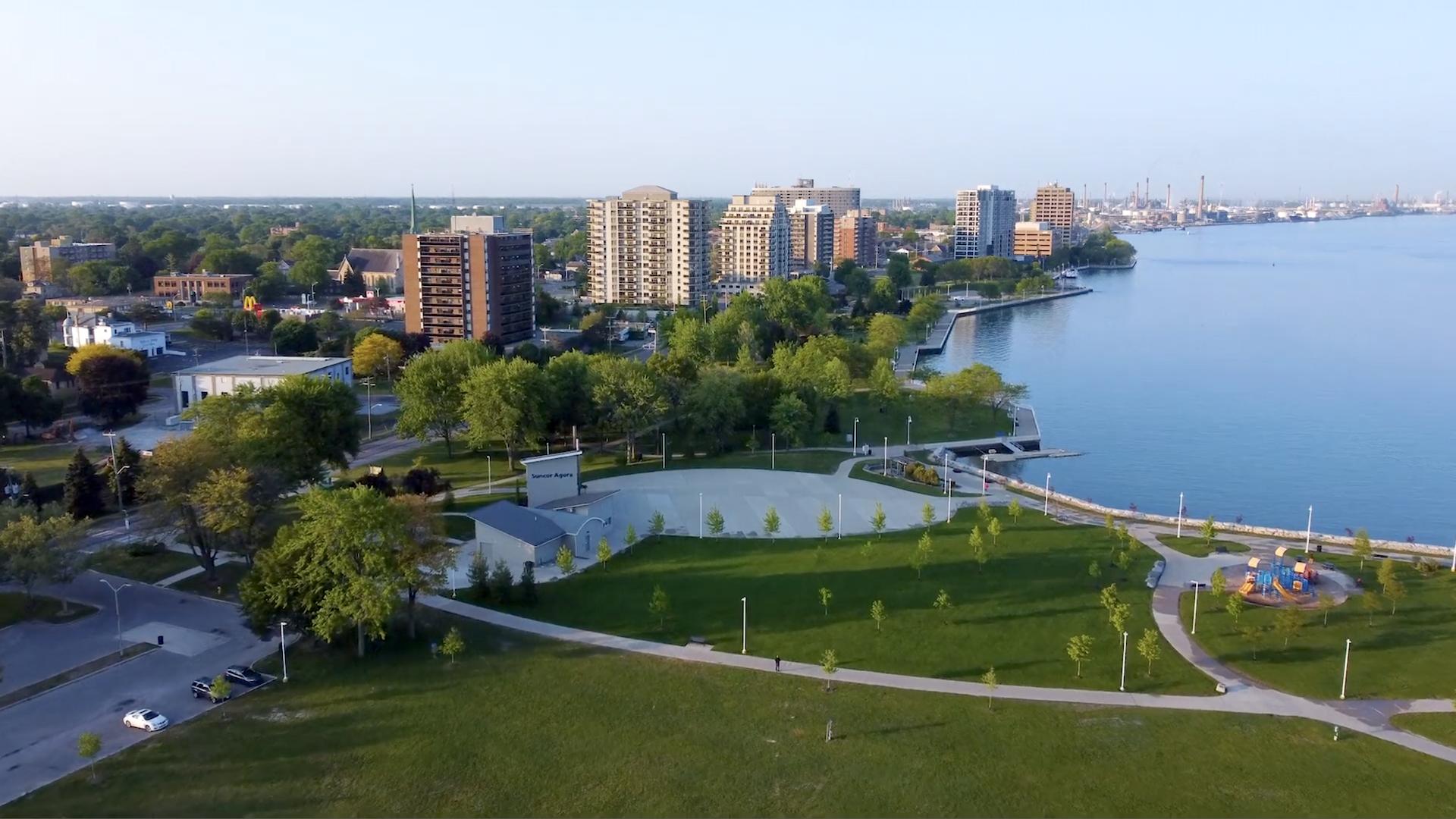
In Point Edward or along the St. Clair River, site plan approval can include detailed landscaping, lighting, and pedestrian realm requirements. Those are good for the public realm and must be costed in any feasibility run. Rural commercial at highway nodes may face access restrictions where the province limits new entrances or requires shared driveways, which can complicate assembling parcels to reach an optimal layout.
When a client calls for commercial appraisal services in Lambton County, one of the first questions worth asking is whether zoning confirmation or pre-consultation has already been done. If not, the appraisal may proceed with a hypothetical condition or extraordinary assumption, but the valuation needs to signal that the legal gate has not yet been fully opened. That is not hedge language, it is professional clarity that protects everyone in the room.
The income picture, cap rates, and the texture of risk
Market rents and capitalization rates here are best read as ranges, tight or wide depending on asset quality and location. A stabilized single-tenant industrial building with clear heights over 20 feet and functional loading in Sarnia’s industrial pockets may trade at a tighter cap rate than an older downtown office building with vacancy over 20 percent. Retail on strong corners near the highway can command solid rents, but power-center dynamics are different from small shop space on a neighborhood arterial.
Vacancy is not just a percentage to plug in. It describes liquidity and downtime, which the appraiser converts into numbers. A modest 5 to 7 percent structural vacancy for neighborhood retail may still hide re-tenanting incentives equivalent to 3 to 6 months of free rent or a tenant improvement allowance that moves the needle. Medical office appears stable but demands higher initial capital to suit specialized tenants, which shifts the effective yield.
Cap rates follow risk. Lease term remaining, tenant strength, and building functionality sit at the top of the list. In Lambton County, investor pools are smaller than in the Greater Toronto Area, so a thin buyer set can widen the cap rate spread for atypical properties. For a commercial building appraisal in Lambton County, adjustments for location, age, and tenant covenant often outmuscle cosmetic upgrades. A new facade on an inefficient floorplate rarely compresses the cap rate in the way a long, bond-like lease with a national tenant does.
Cost to build or adapt, the quiet determinant
Construction and retrofit costs can outrun optimistic rent stories. Local contractor pricing has moved noticeably over the past few years. For basic industrial shells, unit costs might land within broad bands that are comparable to other Southwestern Ontario markets, but fit-out complexity and site works swing totals more than most pro formas anticipate. On constrained infill sites, stormwater management, utility relocation, and soil management can add six figures before a shovel hits subgrade.
Older buildings pose special issues. Converting a downtown Sarnia structure to medical or higher-spec office may require new mechanical systems, elevator modernization, fire separations, and accessibility upgrades. Those items do not evaporate just because the rent line looks healthy. In appraisals, a residual approach that explicitly deducts these costs from expected value can make the difference between supportable market value and a number that a lender will not accept.
Absorption and the time value of local patience
Time is a cost here. In submarkets with measured demand, it is common for well-positioned projects to take two to four quarters longer to stabilize than the same concept in a larger metro. A 40,000 square foot flex project on speculation may find tenants, but the leasing curve should be smoothed and perhaps stretched. That affects discount rates, interim interest carry, and developer overhead.
In a feasibility run for a commercial property appraisal in Lambton County, I prefer to show a base, optimistic, and conservative leasing case, each with different rent and downtime assumptions. In many assignments the conservative case is the one that matches eventual performance. Sensitivity shows lenders and owners where the breakpoints are. At what rent does the project stop penciling? How long can lease-up extend before returns slide below target? Those are not spreadsheet tricks, they are risk control.
A straightforward feasibility checklist
- Land and soft costs. Purchase price or land value, legal, design, approvals, development charges, and financing fees. Hard costs. Site works, building shell, fit-out by use, contingencies that reflect site-specific risk rather than a generic percentage. Timing. Construction duration, phasing if any, and realistic lease-up or absorption by quarter. Revenues and concessions. Market rent by type, tenant inducements, step-ups, and recoveries for common area, taxes, and insurance. Exit and yield targets. Stabilized cap rate, required return thresholds for debt and equity, and sensitivity to cap rate expansion.
This is not exotic. It is the disciplined entry of local facts with no heroics in the assumptions.

Cases that show the edges
Adaptive reuse near the river. A two-story brick building with ground-floor retail and vacant second-floor space looked ripe for office conversion. Zoning allowed it, and there was tenant interest. Yet structural work to meet current codes and a full mechanical replacement plus an elevator added per-square-foot costs that pushed required rents into a range only medical users could support. After a targeted outreach, a dental group pre-leased half the space with a 10-year term. The rest of the floor was left as white-box for phased leasing. Highest and best use remained mixed commercial, but the feasible version was anchored medical with phased absorption, not a full speculative office conversion on day one.
Small industrial near Highway 402. A 3-acre parcel with good frontage and utilities seemed attractive for a multi-tenant flex building. Market sounding, however, indicated stronger demand for owner-occupier service shops with fenced yards. Simple slabs, clear loading, and modest office pockets matched the buyer pool. The residual land analysis favored subdividing into two or three lots with site plan controls that preserved turning radii. Maximally productive use was not the largest building, it was the simplest path to real demand.
Rural intersection retail in Lambton Shores. An owner wanted to add a quick-serve drive-thru at an existing gas and convenience site. Traffic counts and summer spikes were compelling. But entrance spacing rules and stacking lane requirements squeezed what could legally fit. The feasibility run added a seemingly small line item for turning lane upgrades at the municipality’s request, which shifted the return below the owner’s threshold. A smaller food offer inside the existing building with exterior seating became the feasible play, leaving the drive-thru dream on the shelf.
Environmental realities that do not wait for the closing
Brownfields and suspected contamination sharpen the pencil. Phase I and Phase II environmental site assessments are not optional for older industrial and some downtown sites. Remediation can range from manageable to project-ending. In an appraisal context, the presence of contamination may be handled with extraordinary assumptions where unknown, but once quantified, remediation costs and stigma adjustments belong in the valuation. Buyers in Lambton County are pragmatic, but they discount uncertainty. A clear plan with costed remediation, a Record of Site Condition path where needed, and proof of lender appetite can rescue value that otherwise evaporates under a cloud of unknowns.
Valuing proposed projects without fooling ourselves
When an assignment involves proposed construction, the appraisal becomes a test of whether the pro forma is believable by local standards. As a commercial appraiser in Lambton County, I focus on five disciplines. First, verifying comparable rents with real concessions and downtime https://realex.ca/ included. Second, confirming build costs with at least two local estimators or contractors, and aligning fit-out levels with the tenant profile. Third, mapping approvals with a timeline, not just a zoning headline. Fourth, layering in a contingency that matches site complexity. Fifth, running a residual land value as a cross-check to the direct capitalization of stabilized net operating income.
Some projects earn value today, others deserve a prospective value upon completion and stabilization, with a note on marketing and exposure time. Thin markets lengthen exposure, and it matters for lenders and investors who need to plan cash flows around reality rather than hope.
How lenders, owner-occupiers, and investors read the same site differently
Appraisals serve different decision makers. Lenders look for downside protection and credible exit. Owner-occupiers care about control, fit, and long-term operating cost. Investors want income durability and the option to reposition. The same site can yield three very different highest and best use conclusions depending on who is at the table.
Consider a dated warehouse near the petrochemical belt. A lender may find comfort in a light retrofit and a renewed five-year lease with a local tenant at market rent. An owner-occupier may pay above investor pricing for the ability to consolidate operations and avoid rent volatility. An investor may see a covered land play, holding a functional lease for seven years while assembling adjacent parcels to enable a larger modern build in the next cycle. The appraisal should articulate the chosen assumption set and why it fits the assignment’s definition of value, otherwise clients read a number without the story that makes it reliable.
Market evidence, thin samples, and the discipline of adjustment
Sales and leases in Lambton County do not always produce fat datasets. This is not an excuse to generalize from distant markets. It is a call for care. When comparable counts are thin, the appraiser widens geography carefully, controls for differences, and favors recent, verified transactions. Adjustments for size, age, quality, and tenant covenant should be explained in words, not just shown in a grid.
Income approaches benefit from pairing market rent with expense recoveries observed in the area. Triple net leases that fully recover taxes, insurance, and maintenance are common, but actual recoveries often exclude certain capital items. Those exclusions belong in the stabilized expense line and in the reserve for replacement, or the net operating income is overstated. That matters when capitalizing at a rate that already assumes a certain level of ongoing maintenance.
A short list of pitfalls to avoid
- Treating zoning permission as certainty without confirming site plan hurdles. Using construction cost averages that ignore site-specific premiums like stormwater or demolition. Ignoring absorption pace and assuming immediate stabilization. Capitalizing pre-incentive rent rather than net effective rent after concessions. Understating environmental risk or leaving it unpriced when evidence exists.
These are preventable with disciplined process, and they frequently separate a strong appraisal from one that does not stand up under lender scrutiny.
Communication that earns trust
Clients who order commercial appraisal services in Lambton County, whether for financing, litigation, tax appeal, or acquisition, value plain language tied to defendable numbers. If the highest and best use is to hold a property in interim use while approvals and market conditions ripen, say so and show the math. If the feasible path depends on a build-to-suit commitment or a pre-lease threshold, make that dependency explicit. Serious readers appreciate constraints listed alongside opportunities. Glossing over them only shifts risk down the line.
When a commercial real estate appraisal in Lambton County reads as if it could be dropped into any small Canadian market, it misses the mark. The point is not to add drama, it is to embed the lived patterns of Sarnia-Lambton into the analysis. Highway-oriented retail that surges in summer, industrial users that prize utility capacity and practical access, main street buildings that thrive when upstairs apartments stabilize cash flow, and waterfront-adjacent properties that trade development potential for regulatory complexity. Over time, those patterns show up in cap rates, rents, and downtime, and they define what is feasible.
The path to credible numbers
The best commercial property appraisal in Lambton County marries fieldwork with local knowledge. Measure the building, talk to brokers who actually transact here, confirm with contractors who price work here, and read the site like a builder and a lender would. Highest and best use becomes more than a heading, it becomes the lens through which value emerges. Feasibility turns that lens into a clear picture the client can use to make a decision, write a loan, or break ground.
When done well, this work saves money. It stops owners from chasing uses that cannot carry their own weight. It gives lenders a clean sense of collateral strength. It signals to investors where patient capital will be rewarded. And for the county itself, it channels redevelopment into forms that fit the ground under our feet.
For those seeking a commercial building appraisal in Lambton County, find a practitioner who will speak plainly about what the site can and cannot do, and who will test rosy scenarios against the tougher ones. A number on a final page matters, but the route to that number matters more. The market rewards clear-eyed analysis. So do projects that get built on time, on budget, and with tenants who are still happy five years later.